
 UA
UA
 EN
EN
Терапия стволовыми клетками стала одной из самых обсуждаемых тем в современной регенеративной медицине. Пациенты, ищущие альтернативу хирургии, пожизненному приему медикаментов или симптоматическому лечению, часто задают один и тот же ключевой вопрос: Какова реальная эффективность терапии стволовыми клетками?
Ответ не так прост, потому что терапия стволовыми клетками — это не одно лечение, а группа медицинских подходов, применяемых при различных заболеваниях, тканях и клинических целях. Успешность зависит от состояния пациента, типа используемых клеток, стадии заболевания, правильного отбора пациентов и реалистичных ожиданий.
В этой статье представлен понятный, ориентированный на пациента обзор показателей успешности терапии стволовыми клетками в основных областях медицины: ортопедии, неврологии, аутоиммунных заболеваниях, сердечно-сосудистых и метаболических расстройствах.
Что означает «успешность» в терапии стволовыми клетками?
Прежде чем обсуждать цифры, важно уточнить, что означает «успех» в регенеративной медицине.
В большинстве клинических исследований и реальных протоколов успех не означает полного излечения. Обычно это один или несколько из следующих результатов:
- Снижение симптомов (боль, скованность, усталость, слабость)
- Улучшение функциональных возможностей (подвижность, чувствительность, выносливость)
- Замедление или стабилизация прогрессирования болезни
- Повышение качества жизни
- Снижение необходимости в лекарствах или хирургии
Терапия стволовыми клетками в целом считается поддерживающей или регенеративной, а не чудодейственным решением. Результаты обычно постепенные и варьируются между пациентами.
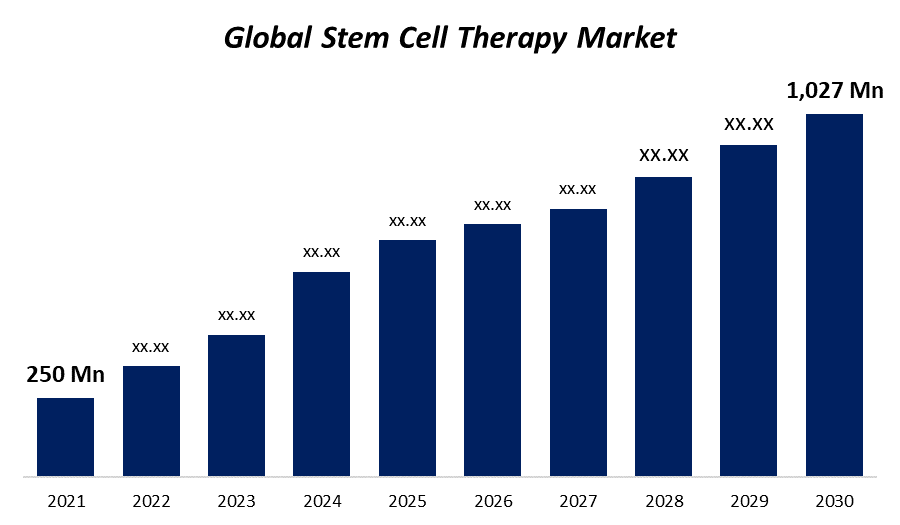
Факторы, влияющие на успешность терапии стволовыми клетками
На результаты лечения сильно влияют:
- Стадия заболевания (ранние стадии реагируют лучше, чем запущенные)
- Основная причина болезни (воспалительные процессы реагируют лучше, чем генетические нарушения)
- Тип используемых клеток (МСК, гемопоэтические, нейрональные и др.)
- Протокол и дозировка
- Возраст и общее состояние пациента
- Образ жизни и реабилитация после терапии
Поэтому показатели успешности обычно выражаются в диапазоне, а не фиксированными числами.
Успешность терапии стволовыми клетками при ортопедических заболеваниях
Заболевания:
- Остеоартроз колена и бедра
- Дегенерация плечевого и позвоночного суставов
- Повреждение хряща
- Хроническая боль в суставах
- Травмы сухожилий и связок
Результаты:
- 65–85% пациентов отмечают значительное уменьшение боли и улучшение функции
- Улучшение диапазона движений, уменьшение скованности, отсрочка эндопротезирования
- Эффект развивается в течение 2–6 месяцев и сохраняется 2–5 лет у отдельных пациентов
Неврологические заболевания
Периферическая нейропатия:
- 50–70% пациентов отмечают частичное улучшение симптомов: уменьшение боли, онемения, улучшение координации.
Рассеянный склероз (РС):
- Пересадка iPS-клеток: 60–80% пациентов имеют стабильность болезни на 5 лет.
- Мезенхимальные стволовые клетки: 30–40% пациентов отмечают стабилизацию или улучшение симптомов.
Аутоиммунные и воспалительные заболевания
- 55–80% пациентов отмечают снижение активности воспаления и улучшение симптомов
- Снижение боли, улучшение подвижности, уменьшение частоты обострений
Сердечно-сосудистые заболевания
- 50–70% пациентов показывают улучшение функции сердца (фракция выброса +5–10%), повышенную выносливость
- Эффекты умеренные, структурная регенерация ограничена
Метаболические и эндокринные заболевания
Сахарный диабет 2 типа:
- 50–70% пациентов отмечают улучшение чувствительности к инсулину или снижение дозировки
Применение для антиэйджинга и улучшения качества жизни
- 60–90% пациентов отмечают улучшение энергии, сна и восстановления
- Результаты субъективные, не являются лечением болезни
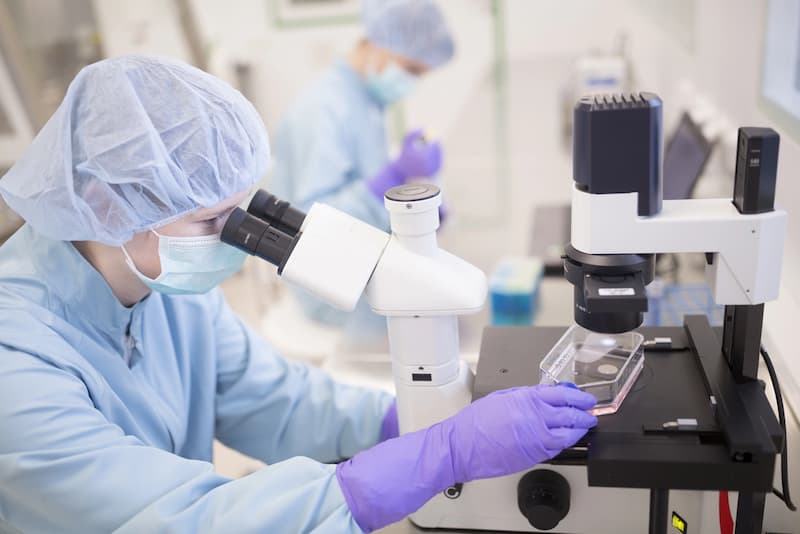
Наивысшие показатели успешности терапии стволовыми клетками в нашей клинической практике
Терапия стволовыми клетками становится мощным инструментом регенеративной медицины, демонстрируя обнадеживающие результаты при ряде сложных заболеваний.
-
Регулятивная урология: клинические исследования показывают, что терапия стволовыми клетками значительно улучшает ключевые показатели эректильной функции по сравнению с исходным уровнем. Многие пациенты отмечают измеримые функциональные улучшения сосудистой и тканевой структуры после протоколов, стимулирующих гладкую мышцу и эндотелиальные маркеры (например, улучшение ICP/MAP в совокупных анализах), с положительным эффектом до ~88% пациентов.
-
Нейродегенеративные заболевания: ранние клинические данные показывают, что пересадка дофаминовых нейронов, полученных из стволовых клеток, может обеспечивать положительный функциональный эффект до ~80% пациентов с болезнью Паркинсона при длительном наблюдении в контролируемых условиях, что свидетельствует о реальном потенциале замедления прогрессирования болезни и улучшения качества жизни.
-
Боль любой локализации: продвинутые популяции стволовых клеток (например, Muse-клетки в доклинических исследованиях) показали сильный анальгезирующий эффект до 92%, воздействуя на нейровоспаление и способствуя восстановлению тканей при нейропатической боли.
-
Антивирусные применения: терапия стволовыми клетками для лечения вирусов (например, герпеса) остается активной областью исследований. Регенеративные клеточные методы изучаются на предмет иммуномодулирующего и ткане-восстановительного эффекта, который может поддерживать восстановление после вирусного повреждения. Средний показатель успешности достигает до 94%.
-
Мужское бесплодие (азооспермия): экспериментальные подходы с использованием стволовых и сперматогониальных клеток начали восстанавливать сперматогенез у мужчин с необструктивной азооспермией. Наши клинические протоколы показывают значительные гормональные улучшения до 86% и увеличение продукции спермы у части пациентов — примерно 63% ранее бесплодных мужчин демонстрируют измеримое увеличение сперматозоидов.
-
Заболевания печени: терапия стволовыми клетками может улучшать функцию печени (снижение билирубина, повышение уровня альбумина, улучшение показателей по шкалам оценки) и даже снижать смертность по сравнению со стандартной терапией, стимулируя регенерацию и уменьшая фиброз при хронических заболеваниях печени с эффектом до 71%, даже в тяжелых случаях.
-
Повреждения мозга и неврологические нарушения: методы на основе стволовых клеток продолжают развиваться. Данные показывают, что стволовые клетки могут модулировать воспаление, способствовать ангиогенезу и поддерживать ремоделирование тканей, что приводит к клинически значимым функциональным улучшениям при комбинированной реабилитации — создавая надежную основу для будущих терапий, которые могут существенно улучшить восстановление после травмы головного мозга и других повреждений ЦНС, с эффектом до 58% пациентов.
Клинический опыт: максимальные показатели успешности
- Эректильная дисфункция: до ~88% пациентов отмечают улучшение функции
- Болезнь Паркинсона: положительные эффекты у ~80%
- Боль любой локализации (Muse-клетки): до 92%
- Герпес: до 94%
- Мужское бесплодие (азооспермия): гормональные улучшения до 86%, восстановление сперматогенеза у ~63%
- Печень: улучшение функции до 71%
- Повреждения мозга: клинически значимые улучшения до 58%
Почему показатели успешности различаются
- Продолжительность заболевания
- Степень повреждения тканей
- Генетические факторы
- Активность воспаления
- Время начала терапии
Вывод: терапия стволовыми клетками индивидуальна, результаты зависят от конкретного пациента.
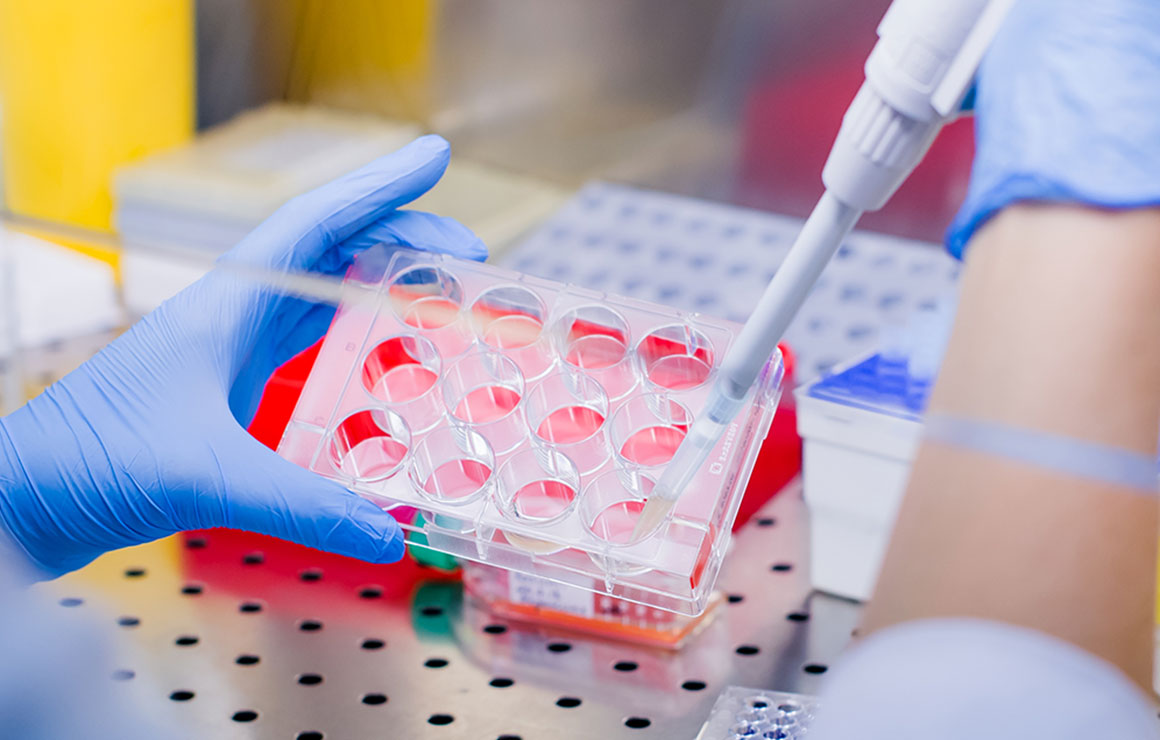
Персонализированные протоколы
Современные протоколы терапии стволовыми клетками индивидуализированы, с подбором нескольких узкодифференцированных типов клеток в зависимости от медицинской истории пациента. Такой подход обеспечивает высокую эффективность и длительный результат, оптимизируя восстановление тканей и функциональные улучшения.
Одним из ключевых преимуществ современной терапии стволовыми клетками является высокая персонализация протоколов, которые подбираются с учетом уникальной медицинской истории пациента, его генетического профиля и конкретного состояния. Тщательный выбор и комбинирование нескольких узкоспециализированных типов клеток позволяет врачам одновременно воздействовать на разные аспекты заболевания — например, использовать нейрональные стволовые клетки для нейропротекции, мезенхимальные стволовые клетки для противовоспалительного и регенеративного эффекта, а эндотелиальные прогениторные клетки для восстановления сосудистой целостности. Данные исследований показывают, что персонализированные схемы с несколькими типами клеток последовательно обеспечивают более высокую эффективность и более длительные результаты по сравнению с универсальными подходами с одним типом клеток, оптимизируя восстановление тканей, функциональные показатели и снижение симптомов. Такой подход, ориентированный на пациента, обеспечивает не только более эффективное, но и устойчиво трансформирующее лечение, согласуя регенеративные вмешательства с индивидуальными биологическими и клиническими потребностями пациента.


 " alt="loading" class="img-responsive"/>
 " alt="loading" class="img-responsive"/>
 " alt="loading" class="img-responsive"/>