
 RU
RU
 UA
UA
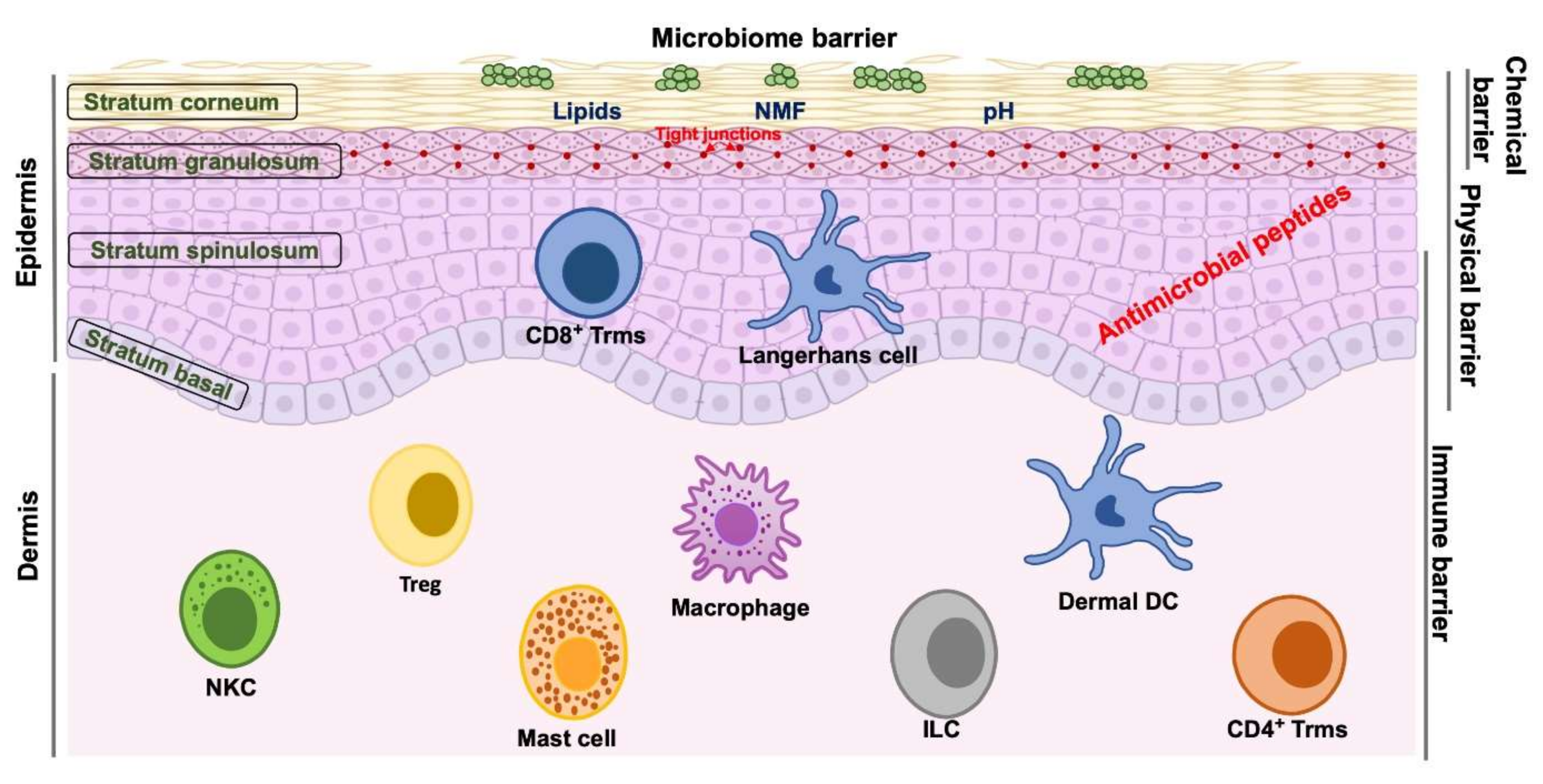
Today, the restoration of damaged skin goes far beyond the boundaries of classic creams and superficial treatments. Modern regenerative dermatology considers the skin as a complex biological system, where the processes of inflammation, cell renewal, intercellular communication and energy supply occur simultaneously. That is why effective restoration is impossible without influencing deep mechanisms – from mitochondrial function to signaling molecules that control regeneration. In this context, a comprehensive approach that combines peptide technologies (Klow Skin + GNK-Cu, BPC-157, ND-500, KPV) together with mitochondrial and exosome therapy attracts special attention.
This approach does not just “heal the skin”, but actually restarts its ability to self-repair. It affects key levels: reduces chronic inflammation, restores microcirculation, activates fibroblasts, improves collagen synthesis and normalizes cellular metabolism. To understand exactly how this works, it is worth considering each component separately.

Types of peptides for repairing damaged skin:
The peptide GNK-Cu (copper-containing tripeptide GHK-Cu) is one of the most studied regenerative peptides in dermatology. Its action is not limited to collagen stimulation. It activates the expression of genes responsible for tissue repair, stimulates angiogenesis – the formation of new blood vessels, which is critically important for skin nutrition, and significantly accelerates healing. In addition, GNK-Cu has powerful anti-inflammatory properties and the ability to modulate the work of metalloproteinases, which are responsible for remodeling the extracellular matrix. In practice, this means improving skin density, reducing wrinkles, faster recovery from damage and smoothing the texture.
BPC-157 is a peptide that is known for its pronounced regenerative properties, especially in tissues where the blood supply is impaired. Its key function is to restore microcirculation and stimulate vascular growth. It activates growth factors, improves endothelial function and promotes faster healing of even complex injuries. In the skin, this manifests itself as a reduction in post-inflammatory changes, faster recovery from aggressive procedures and a reduced risk of scarring. Importantly, BPC-157 also affects nerve endings, reducing pain and discomfort, which makes it especially valuable for complications after cosmetic procedures.
ND-500 is a lesser-known but extremely promising peptide that works at the level of cellular metabolism. Its action is aimed at optimizing intracellular processes, including protein synthesis, regulating redox balance and protecting cells from oxidative stress. In the context of the skin, this means increasing its resistance to external factors, improving complexion and reducing signs of “tired” skin. ND-500 actually creates conditions in which cells can work more efficiently and maintain their functionality longer.
The peptide KPV (Lys-Pro-Val) is a powerful anti-inflammatory agent that works by inhibiting key mediators of inflammation, including NF-kB. Its action is especially important in cases where inflammation becomes chronic and destroys the skin structure. KPV not only reduces redness and irritation, but also normalizes the skin’s immune response, which is critical for acne, rosacea, and post-procedural complications. It helps to “calm” tissues and creates an environment conducive to recovery.
When these peptides are combined into a single complex (Klow Skin), they begin to work synergistically. One component reduces inflammation, another restores blood vessels, the third improves cellular metabolism, and the fourth stimulates regeneration. But even this is not enough without support at a deeper level — and this is where mitochondrial and exosomal therapy come into play.
Mitochondrial therapy – as an anti-aging skin treatment
Is aimed at restoring the energy potential of cells. After all, any regeneration process requires a large amount of ATP. If a cell is “energy depleted,” it is unable to synthesize collagen, restore membranes, or adequately respond to growth signals. Improving mitochondrial function allows cells to divide faster, work more actively, and respond more effectively to therapy.
Exosomes – restarting all skin functions
Exosome therapy, in turn, provides intercellular communication. Exosomes are information carriers that transmit “instructions” to cells for recovery. They activate fibroblasts, stimulate the synthesis of collagen and elastin, and also coordinate regeneration processes at the tissue level. In fact, if peptides trigger processes, then exosomes make them more precise and controllable. Read more about exosomes: A new elixir for youth and health
Let’s consider how this complex works in practice.
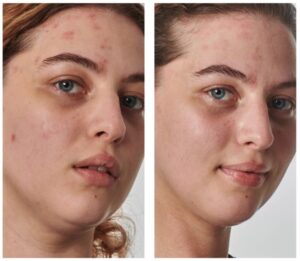
Acne treatment complex:
In acne, the main problem is chronic inflammation, dysfunction of the sebaceous glands, and post-inflammatory changes. In this case, the focus is on KPV to reduce inflammation, GNK-Cu to repair tissue, and BPC-157 to improve microcirculation. By adding exosomes, we get faster skin repair without scarring, and mitochondrial support helps cells normalize metabolism.

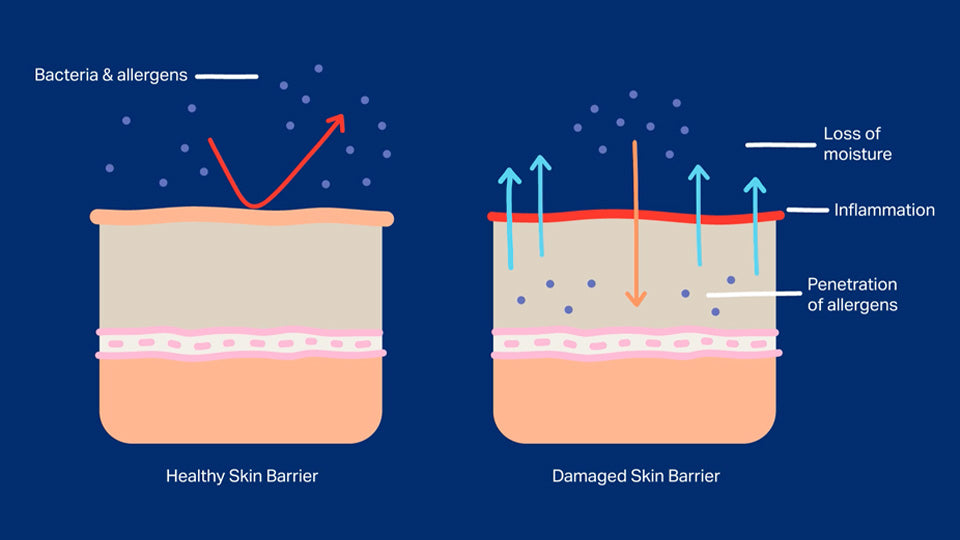
Skin care after peelings:

In the case of complications after peelings (excessive irritation, prolonged redness, barrier damage), the key is to quickly relieve inflammation and restore barrier function. KPV and BPC-157 are actively working here, reducing skin reactivity, while GNK-Cu stimulates regeneration. Exosomes accelerate healing, and mitochondrial therapy reduces the recovery period.

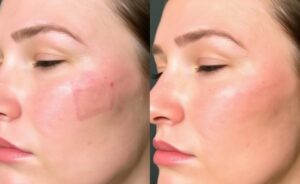
Skin treatment after RF procedures:
After RF procedures, complications sometimes occur in the form of microburns, fibrosis, or uneven texture. In this case, ND-500 and GNK-Cu help restore tissue structure, BPC-157 improves blood supply, and exosomes coordinate remodeling. This allows not only to eliminate the consequences, but also to improve skin quality. Discover more :Regenerative therapy for damaged skin

Skin restoration with noticeable age-related changes:
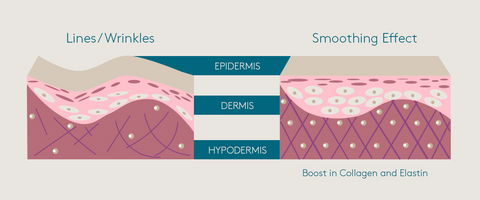
With age-related changes, the main problem is a decrease in fibroblast activity, collagen and energy deficiency. Here, the complex works as systematically as possible: GNK-Cu stimulates collagen, ND-500 supports cellular metabolism, mitochondrial therapy provides energy, and exosomes activate all processes simultaneously. As a result, the skin becomes denser, more elastic and “alive”.

Thus, the modern approach to skin restoration is not a separate procedure, but a comprehensive strategy that works at all levels: from cell to tissue. And it is the combination of peptides, mitochondrial and exosomal therapy that allows you to achieve results that were previously unattainable.


 " alt="loading" class="img-responsive"/>
 " alt="loading" class="img-responsive"/>
 " alt="loading" class="img-responsive"/>