
 RU
RU
 UA
UA
With our current knowledge of stem cells, it may be possible to test interventions that significantly delay aging.
Many environmental factors accelerate aging, such as stress, pollution, lifestyle, injuries, disease, and exposure to toxins. A recently published study reviewed evidence that delaying and reversing aging in cells is feasible. Epigenetic (non-genetic influences on gene expression) changes drive aging, and reversal of these changes extend lifespan. Epigenetic control of gene expression occurs by chemical modification of DNA. By choosing an active lifestyle and decreasing harmful environmental factors, aging can be delayed.
How can stem cells treat aging?
Stem cells act as a repair system for the body and rejuvenate and replace aging cells to maintain health. Mesenchymal stem cells derived from umbilical cord-tissue are the youngest, most vibrant adult mesenchymal cells available.
The donated umbilical cords are tested rigorously for infectious agents and medical history. Stem Cells exhibit numerous anti-inflammatory effects by migrating to sites of injury and disease.
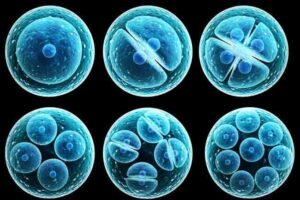
How stem cell therapy reduces inflammation, at a cellular level
Mesenchymal stem cells can influence the processes of white blood cells. A macrophage is a large white blood cell that is an integral part of our immune system. Macrophages are a type of blood cell that removes infectious agents and dead cells from the blood that can create inflammation (M1) and reduce inflammation (M2).
M1 macrophages are associated with accelerated aging, and M2 macrophages are associated with anti-aging. Mesenchymal stem cells shift M1 macrophages to M2. They are, therefore, giving the human body more tools to combat the natural aging process by significantly reducing inflammation.
Stem cells can maintain mitochondrial health.
Cord tissue-derived mesenchymal stem cells also maintain mitochondrial health (the powerhouse of the cell) by intercellular communication through tunneling nanotubes. This system senses the mitochondrial status of patient’s cells and physically transfers mitochondria from stem cells to unhealthy cells.
The cells promotes the expression of the anti-aging gene SIRT-1 by 200-300-fold, resulting in life extension, and also increases the expression of genes involved with stem cell differentiation capacity, migration, and production of proteins responsive to stress that provide cellular protection.
Stem cell anti aging, how our cells age
Aging is a complex, natural process; the effect of environmental factors, genetics, and routine wear and tear on the bodies eventually takes a toll in a multitude of different ways. It is this result of living life that can bring unavoidable health problems. Over time, the cells of the body age as we do, resulting in their inability to replicate; they become damaged and die. The loss of efficient cell replication is what causes our bodies to age.
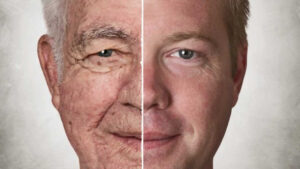

What are the 10 signs of aging?
Some of the most common signs of aging are:
- Impaired vision
- Impaired hearing
- Loss of strength in muscles
- Loss of bone density
- Decreased immune system function
- Decreased cognitive ability
- Less efficient metabolism.
- Loss of energy
- Hair loss
- Decreased balance and overall mobility
Stem cell therapy for anti aging
Aging cells can contribute to disease. Thus if cell aging can be prevented, slowed down, or even reversed, many diseases could be better managed. Stem cells may have the ability to slow this process down & combat certain age-related conditions.
How do stem cells slow the aging process?
With stem cell therapies, you are replenishing the supply of stem cells to allow the body to repair and rejuvenate all the organs of your body.
Stem cells possess unique factors that aid in anti-aging by helping our bodies regenerate cellular tissues, such as:
- Skin
- Joints
- Bones
- Organs
This advanced therapy may be able to repair tissue that has been damaged by stress, injury, and environmental factors.
What is stem cell treatment?
During stem cell treatment a patient receives approximately 150-180 million stem cells. These stem cells are harvested from umbilical cord samples, all of which undergo an extensive amount of testing to assure sterility and viability (percentage of live cells).
The stem cells store in a cryogenic form (colder than 100 degrees below zero). At the time of intravenous administration, the cells are thawed to body temperature in a sterile lab and administered over several hours by our highly trained physicians.
The high quantity of more than 150 million cells not only covers daily losses that have been occurring progressively for years but replaces the cellular losses a thousand times over.
A stem cell transplant aims to replace the reserve of the stem cells practically lost over the last 15 – 20 years. After such a significant cell replenishment, the body’s organs are rejuvenated and renewed.

Patients who undergo stem cell therapy for anti aging can usually expect:
- A feeling of vitality and rejuvenation
- Improved capacity for physical activities
- Thickening and improved quality of hair
- Increased libido
- A decrease in pain
- Increased strength
- Enhanced immunity
- Overall improvement in the quality of life
Can stem cells cure aging?
With our current knowledge of stem cells, it is technically feasible to delay aging and improve both health and lifespan. Stem cells can play a crucial role in delaying the aging process. Stem cells, in combination with anti-aging genes, can create a sophisticated shield, which can prevent the effects of aging.
Increased wear and tear of the body’s natural stem cells, increases cellular damage, and accelerate the natural process of aging. Stem cells combined with anti-aging genes can potentially absorb the process of cellular aging. The introduction of “youthful” stem cells into the human body can rejuvenate existing cells and allow the body to age more gracefully & even reverse some effects of the aging process.
What is Stem Cell Rejuvenation?
Stem cell rejuvenation is a type of therapy used to combat the effects of the natural aging process. A large amount of youthful stem cells are injected into the patient via IV. These are intended to replace ones existing “old” cells, thus allow to body to work my efficiently by healing itself and reducing inflammation.
So can you cure aging?
There is not enough clinical data to be able to state whether or not stem cells may be able to cure aging. However, it may be possible to slow the aging process by following the above considerations.


 " alt="loading" class="img-responsive"/>
 " alt="loading" class="img-responsive"/>
 " alt="loading" class="img-responsive"/>