
 RU
RU
 UA
UA
Chronic joint pain is one of the most common causes of long-term disability worldwide, affecting people of all ages but especially those over 40. Persistent pain, stiffness, and reduced mobility can significantly limit daily activity, work capacity, and overall quality of life. While conventional therapies often focus on symptom suppression, regenerative medicine has introduced a fundamentally different concept: supporting biological repair within damaged joint tissues.
Among regenerative strategies, stem cell–based therapies have attracted growing attention as a potential option for patients who have not achieved sufficient relief through standard care.
Understanding Chronic Joint Pain Beyond Symptoms
Chronic joint pain is defined as pain or discomfort in one or more joints lasting longer than three months. It most commonly involves weight-bearing or highly mobile joints such as the knees, hips, shoulders, spine, and hands.
Typical clinical features include:
- Persistent or activity-related pain
- Morning stiffness or stiffness after rest
- Joint swelling or inflammation
- Decreased range of motion
- Mechanical discomfort during movement
The condition often develops as a result of underlying structural or inflammatory changes rather than isolated pain signaling.
Primary Causes of Long-Term Joint Pain
Chronic joint pain may arise from multiple pathological mechanisms, including:
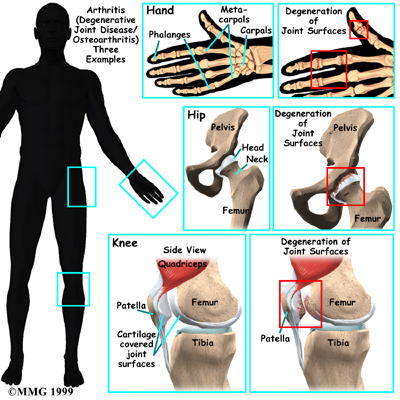
- Degenerative cartilage loss (osteoarthritis)
- Autoimmune or inflammatory joint diseases
- Previous trauma or sports injuries
- Age-related tissue degeneration
- Chronic microvascular impairment
- Biomechanical overload or joint instability
In many cases, several of these factors coexist, which explains why single-target treatments often provide incomplete relief.
Why Standard Treatments Have Limited Long-Term Impact
Conventional management strategies typically include:
- Nonsteroidal anti-inflammatory drugs (NSAIDs)
- Corticosteroid injections
- Physical therapy and rehabilitation
- Lifestyle modification
- Joint replacement surgery in advanced stages
Although these approaches may reduce pain temporarily, they do not actively restore cartilage, improve tissue quality, or reverse degenerative processes. Over time, their effectiveness often diminishes, prompting patients to seek alternative solutions.
Regenerative Medicine as an Alternative Concept
Regenerative medicine aims to influence the biological environment of the joint rather than simply suppress symptoms. Stem cell–based therapy is explored as a method to support tissue repair, regulate inflammation, and improve joint homeostasis.
The goal is not immediate pain elimination, but gradual improvement in joint function and reduction of chronic inflammatory signaling.
How Stem Cell Therapy Interacts with Joint Biology
Mesenchymal Stem Cells and Joint Homeostasis
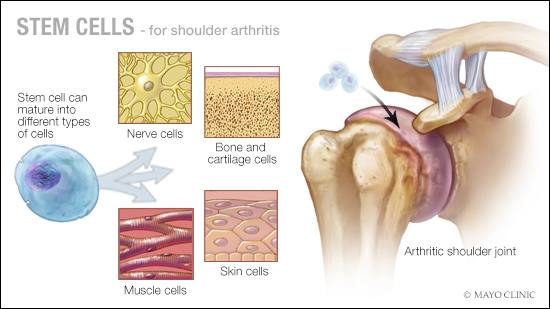
Mesenchymal stem cells (MSCs) are the most frequently used cell type in joint-related regenerative protocols. Their therapeutic value lies primarily in their signaling activity rather than direct tissue replacement.
Key biological effects include:
- Modulation of chronic inflammation within the joint
- Support of cartilage and connective tissue metabolism
- Improvement of synovial fluid quality
- Reduction of catabolic processes affecting cartilage
Through paracrine signaling, MSCs release growth factors, cytokines, and regulatory molecules that influence the joint microenvironment.
Cell-Specific Strategies in Modern Joint Regeneration
Chondrocytes and Cartilage-Focused Therapy
Chondrocyte-based approaches are explored in cases where cartilage degeneration is localized and structural integrity is partially preserved. These highly specialized cells are responsible for maintaining cartilage matrix composition and mechanical resilience.
Rather than acting systemically, chondrocytes are studied for their potential to enhance local cartilage stability and support joint surface integrity in selected patients.
Endothelial Cells and Microvascular Support
Joint tissues depend on adequate microcirculation for oxygen delivery and metabolic balance. Chronic joint pain is often associated with impaired blood flow and low-grade ischemia.
Endothelial and endothelial-supportive cells are being investigated for their ability to:
- Improve local vascular function
- Enhance tissue perfusion
- Support nutrient delivery to damaged areas
Improved microcirculation may indirectly reduce pain by optimizing the joint’s biological environment.
Neural-Supportive Cells and Pain Regulation
Chronic joint pain involves not only structural damage but also altered neural signaling and pain sensitization. Experimental regenerative strategies explore neural-supportive cell populations for their regulatory and neurotrophic effects.
These approaches aim to modulate pain pathways and support neural homeostasis rather than regenerate nerves directly.

A Multidimensional Regenerative Strategy
Modern regenerative medicine increasingly emphasizes personalized, mechanism-driven protocols. Instead of relying on a single cell type, some strategies combine or selectively apply:
- Mesenchymal stem cells
- Chondrocytes
- Endothelial-supportive cells
- Neural-regulatory components
This tailored approach reflects the multifactorial nature of chronic joint pain.
What Clinical Data Suggests
Clinical observations and published studies indicate that stem cell–based therapies may lead to:
- Gradual reduction in pain intensity
- Improved joint mobility and function
- Decreased reliance on analgesic medications
Across various cohorts, approximately 60–80% of patients report meaningful functional improvement within months following treatment. Outcomes tend to be more favorable in early to moderate degenerative stages.
Duration of Clinical Benefits
Follow-up data suggest that improvements may persist for two years or longer in selected patients. Sustained benefit is more likely when therapy is combined with rehabilitation, biomechanical correction, and lifestyle modification.
Stem cell therapy does not stop aging or completely reverse advanced structural damage but may slow progression and delay surgical intervention.
Biochemical Changes Within the Joint Environment
At the molecular level, regenerative therapies are associated with:
- Reduced pro-inflammatory cytokines (TNF-α, IL-1β, IL-6)
- Increased anti-inflammatory signaling
- Improved balance between cartilage synthesis and degradation
- Modulation of pain-related mediators
These biochemical shifts help explain gradual symptom improvement rather than immediate pain suppression.
Safety Considerations
When performed in experienced medical settings, stem cell therapy is generally well tolerated. Potential risks may include:
- Temporary swelling or discomfort at injection sites
- Transient inflammatory responses, particularly in autoimmune conditions
Patients should remain cautious of unrealistic promises and ensure protocols meet appropriate medical standards.
Who May Benefit Most
Stem cell–based therapy may be considered for individuals who:
- Have chronic joint pain lasting longer than 3–6 months
- Did not respond sufficiently to conservative treatment
- Have mild to moderate degenerative changes
- Seek alternatives to long-term medication or early surgery
Advanced joint destruction typically still requires surgical management.
Treatment Process Overview
A typical regenerative protocol includes:
- Clinical evaluation and imaging (MRI or ultrasound)
- Cell selection and preparation
- Targeted intra-articular injection, sometimes combined with IV support
- Post-treatment monitoring and rehabilitation guidance
Clinical improvement usually develops gradually over several months.
Final Perspective
Stem cell therapy represents a developing regenerative option for chronic joint pain rather than a universal cure. When used responsibly and in properly selected patients, it may offer meaningful improvements in pain, mobility, and joint function.
Ongoing research continues to refine patient selection, cell combinations, and long-term outcome prediction, positioning regenerative medicine as a complementary component of modern joint care rather than a replacement for established treatments.


 " alt="loading" class="img-responsive"/>
 " alt="loading" class="img-responsive"/>
 " alt="loading" class="img-responsive"/>